Two tires can share the exact same size on the sidewall and still be built to carry very different loads. The difference is the load range — a letter like C, D, or E — and picking the wrong one matters most on trucks that tow, haul, or carry weight in the bed. Too little tire under a load does not usually fail all at once. It runs hot, sways, and wears out early, and it gives the driver less margin when something goes wrong.
Where the letters came from: ply rating
Load range replaced an older system called ply rating. Decades ago, a tire's strength really did come from layers of fabric — plies — in its casing, and tires were sold as 6-ply, 8-ply, or 10-ply. Modern materials are much stronger, so a tire today does not need that many actual layers to carry the same load. The industry kept the idea and changed the label. Load range letters now describe a tire's load-carrying ability at its specified air pressure, roughly equivalent to the old ply ratings, without claiming a literal ply count.
As a general guide to that old equivalence, load range C corresponds to the former 6-ply rating, D to 8-ply, and E to 10-ply. Letters continue beyond E for heavier commercial applications. The key point is that the letter is about strength and allowable pressure, not about how many layers you would count if you cut the tire open.
Load range is not the only number on the sidewall
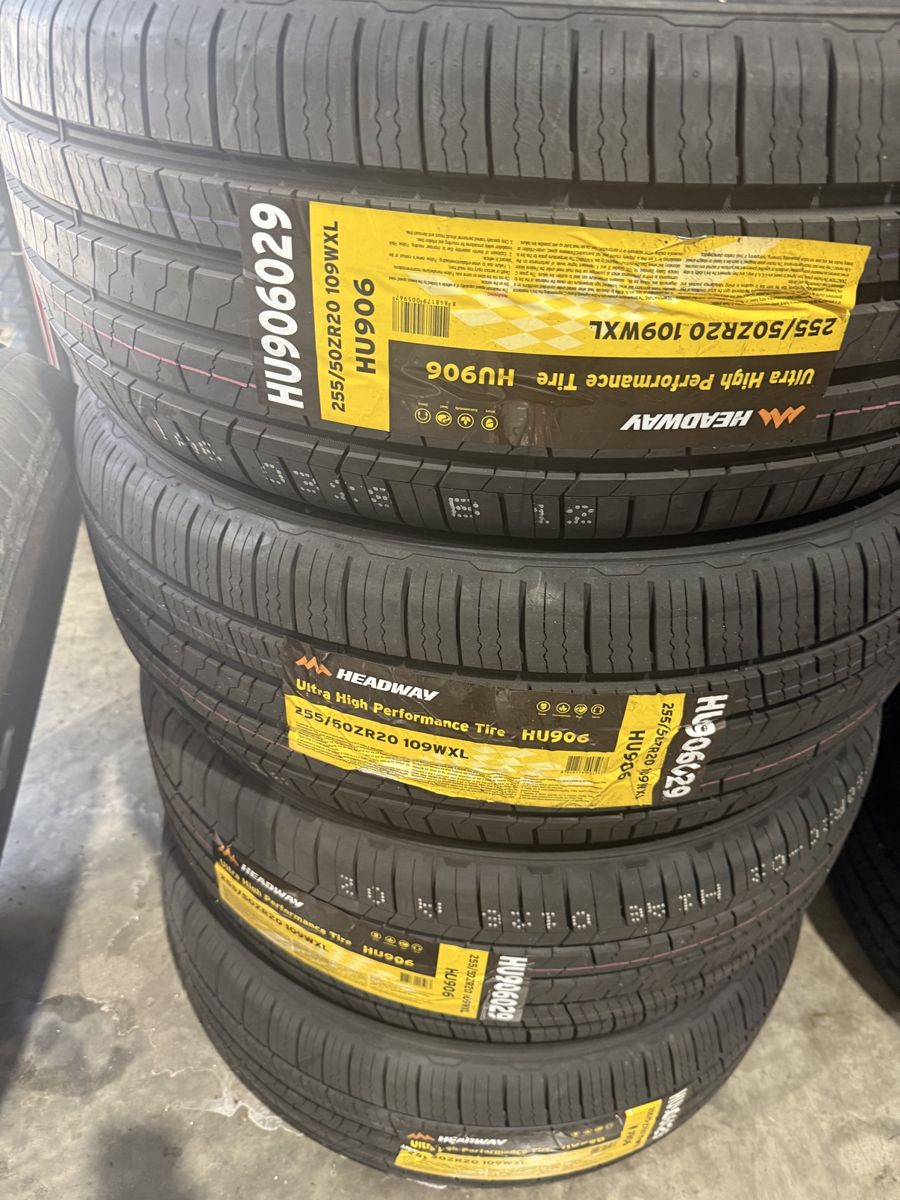
Near the size you will also find the load index, a two- or three-digit number, often paired with a speed rating letter. The load index corresponds to a maximum weight per tire in a standard chart. Read together — size, load index, and load range — they tell you what a single tire can carry, and four of them together set the ceiling for the vehicle, along with the truck's own axle ratings.
The most important reference is not the tire store chart. It is the placard on the driver's door jamb of your truck, which lists the original tire size, load requirement, and recommended pressure from the manufacturer. Any replacement should meet or exceed what that placard calls for. Going above it is common and often sensible for towing. Going below it is not a place to save money.
Why a half-ton that tows needs the right range
A half-ton pickup driven empty to work has modest demands. The same truck with a bed full of material, a heavy load in tow, passengers, and gear is a different case. The tongue weight of a towed load adds directly to the rear tires, and weight shifts under braking and in turns. A load range E tire, run at an appropriate pressure, gives a stiffer sidewall and more load capacity in reserve than a lighter passenger-rated or load range C tire of the same size.
That stiffness has a feel to it. Trucks on E-range tires typically track straighter with a load in tow, move around less in crosswinds, and resist sidewall flex when maneuvering a load at low speed. Unloaded, the same tires can ride firmer. That is the trade, and for a truck that tows regularly it is usually the right one. Correct pressure matters in both cases: the pressure on the placard suits the original fitment, while towing at higher load may call for higher pressure within the tire's limit — a point worth confirming for your specific setup rather than guessing.
What running too light a tire under load does
- Heat. An overloaded or under-inflated tire flexes more with every rotation. Flex builds heat, heat breaks down the tire from the inside, and that is how many load-related failures start.
- Sway and vague handling. Soft sidewalls under a heavy load let the truck and its load move around more, which the driver feels as sway and constant small corrections.
- Uneven, faster wear. Excess flex and heat wear shoulders and tread faster, so the lighter tire that seemed cheaper rarely stays cheaper for long.
- Less margin. A pothole or road hazard that a correctly rated tire absorbs can finish off a tire already working at its limit.
Reading the sidewall alongside the size
When you call for a quote, read the whole string, not just the numbers everyone knows. For example, an LT size followed by a load range letter tells us it is a light-truck tire built to a specific strength, while a P at the front marks a passenger tire, even in a size that looks similar. Bring the size, the load range, and what you tow or haul, and we can match the tire to the work instead of just to the rim.
If you are not sure what is on your truck now, stop by and we will read the sidewalls with you. Southern KY Tire Pros is located at 1004 Happy Valley Rd, Glasgow, KY 42141. Reach us by phone at (270) 861-2003 or by text at (270) 320-7359, Monday–Friday 8 AM–5 PM. Details are on our Shop Tires page.