
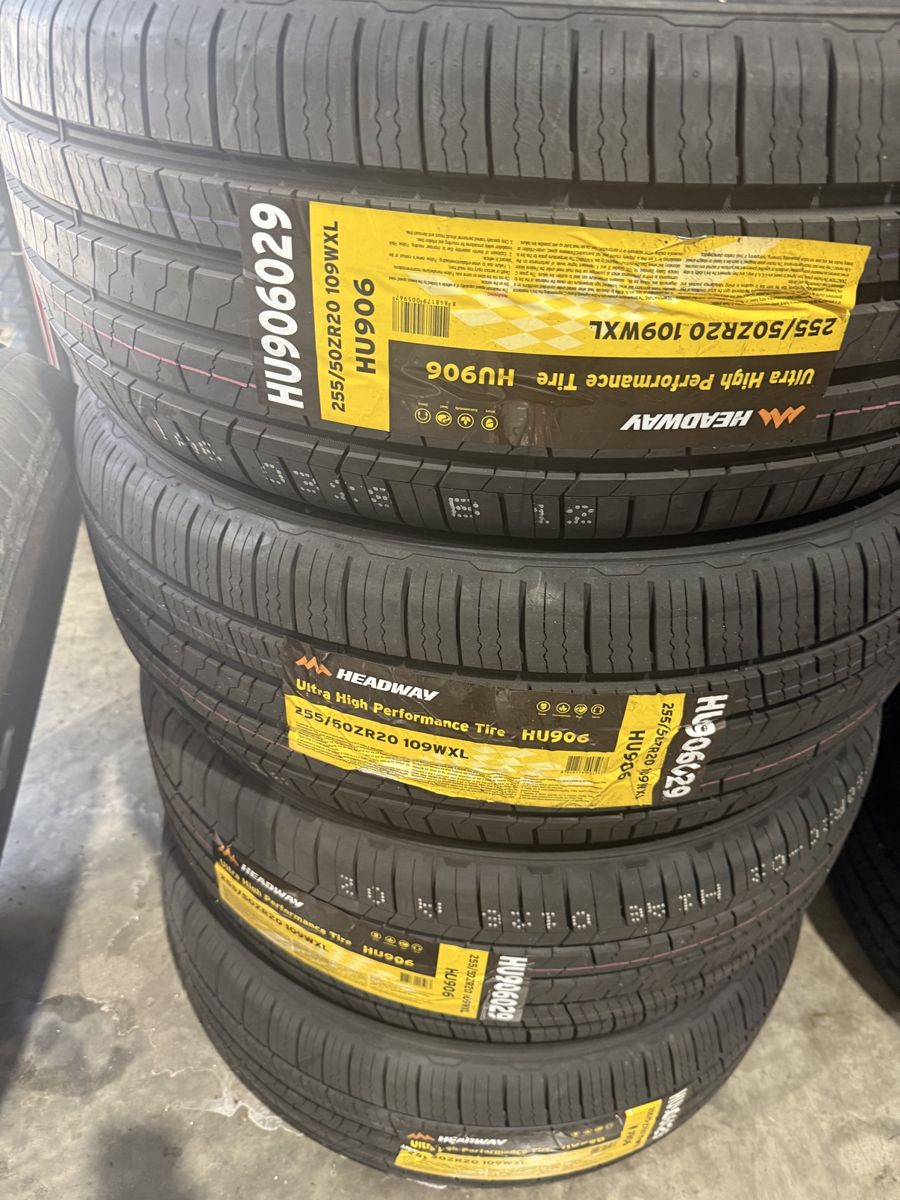
Some vehicles leave the factory with no spare tire in the trunk. In many cases that is not an oversight. They were fitted with run-flat tires, which are built to keep rolling for a short distance after a puncture so the driver can get somewhere safe instead of changing a tire on the shoulder. Whether that trade is worth keeping when it is time for new tires depends on how you drive and what matters more to you: convenience after a flat, or ride comfort and simpler replacement the rest of the time.
How run-flat tires work
A regular tire relies on air pressure to hold its shape and carry the vehicle. Lose the air and the sidewall folds under the weight. A run-flat uses much stiffer, reinforced sidewalls that can support the vehicle for a limited time even with little or no air pressure inside.
As typical manufacturer guidance, most run-flats are rated to travel up to about 50 miles at speeds up to about 50 mph after a puncture. Treat those numbers as a ceiling, not a goal. The tire is not fixed, it is just buying you distance. Driving farther, faster, or on a badly damaged tire can damage the wheel and leave you stranded anyway. Slow down, avoid hard cornering and potholes, and head straight for a shop.
Run-flats depend on a working tire pressure monitoring system. Because the stiff sidewall can hide a flat — the vehicle may sit and handle almost normally at low speed — the TPMS warning on the dash may be the only sign you have lost pressure. If that light comes on with run-flats fitted, do not ignore it and do not assume you have weeks to deal with it.
The advantages are real
- No roadside tire change. You can usually drive to a shop during business hours instead of stopping on Highway 31E or the Cumberland Parkway with traffic passing.
- No spare to carry. That frees trunk space and removes a little weight, which is why manufacturers fit them in the first place.
- More control after a puncture. A reinforced sidewall does not collapse the way a regular tire does, so a sudden loss of pressure is generally less dramatic.
The trade-offs show up every day
The same stiff sidewall that carries the car without air also rides firmer the rest of the time. On patched pavement and rough county roads, most drivers notice more harshness over bumps compared with a regular tire on the same vehicle. Road noise can be a little higher as well, depending on the model.
Replacement cost is the other common complaint, described plainly: run-flats typically cost more than comparable regular tires, and selection is narrower. Not every brand and size is offered in a run-flat version, so your choices at replacement time may be limited to a handful of models.
Repair is where the difference matters most. A regular tire with a small nail puncture in the tread can often be repaired if it was not driven on flat and the injury is in the repairable area. A run-flat that has been driven on with low pressure has usually been stressed in ways you cannot see from the outside. For that reason, run-flats are usually replaced rather than repaired after being driven flat. That means a simple puncture that might have been a repair on a regular tire can turn into a new tire on a run-flat setup.
How to know if your vehicle came with them
Check the sidewall. Run-flats carry markings that vary by brand, such as RFT, ZP, EMT, SSR, or a run-flat symbol molded near the size. Check the trunk as well: no spare, or only an inflator kit, is a strong clue. The door jamb placard and owner manual will also list the original fitment. If you are not sure, read the full sidewall markings to the shop when you call and we can tell you what is on the vehicle now.
Can you switch to regular tires
Often, yes, and plenty of owners do at replacement time to get a softer ride and a wider choice of tires. Two things need thought first. You will have no spare unless you add one, along with a jack and tools, or make a plan for roadside help. And the suspension on some vehicles was tuned around the stiffer run-flat, so ride and handling will feel a little different. Neither point rules out switching, but both should be decided before the new set goes on, not after a flat.
Which drivers each type suits
Run-flats suit drivers who mostly stay in and around town, who would struggle to change a tire on the shoulder, or who value being able to reach a shop under their own power above ride softness. Regular tires suit drivers who put in longer highway miles, want the broadest choice of models, prefer a more forgiving ride, and are comfortable with a spare in the back and the work that comes with using it.
Either way, tell us how the vehicle gets used before you buy. Southern KY Tire Pros is at 1004 Happy Valley Rd, Glasgow, KY 42141. Call us at (270) 861-2003 or text (270) 320-7359, Monday–Friday 8 AM–5 PM. Details are on our Shop Tires page.