
A Kentucky winter is rarely months of deep snow. Around Glasgow it is cold snaps, freezing rain, black ice on shaded back roads, and slush that refreezes overnight. That kind of winter is hard on a vehicle in specific ways, and most can be checked in one visit before the first real cold.
Start with the battery
A cold engine is harder to crank, and a cold battery produces less power to crank it with. That combination is why a battery that seemed fine in October leaves a vehicle sitting in a driveway in January. As a rough rule, a battery loses a noticeable share of its cranking strength as temperatures fall toward freezing, while the engine needs more of it at the same moment.
A load test before winter answers the only question that matters: is this battery still strong, or is it living on borrowed time. Terminals matter too — corrosion at the posts adds resistance exactly when the starter needs all the current it can get. If a battery is several years old and tests weak in the fall, replacing it on your schedule is better than replacing it on a cold morning on the battery's schedule.
Tread and pressure decide how you grip ice and slush
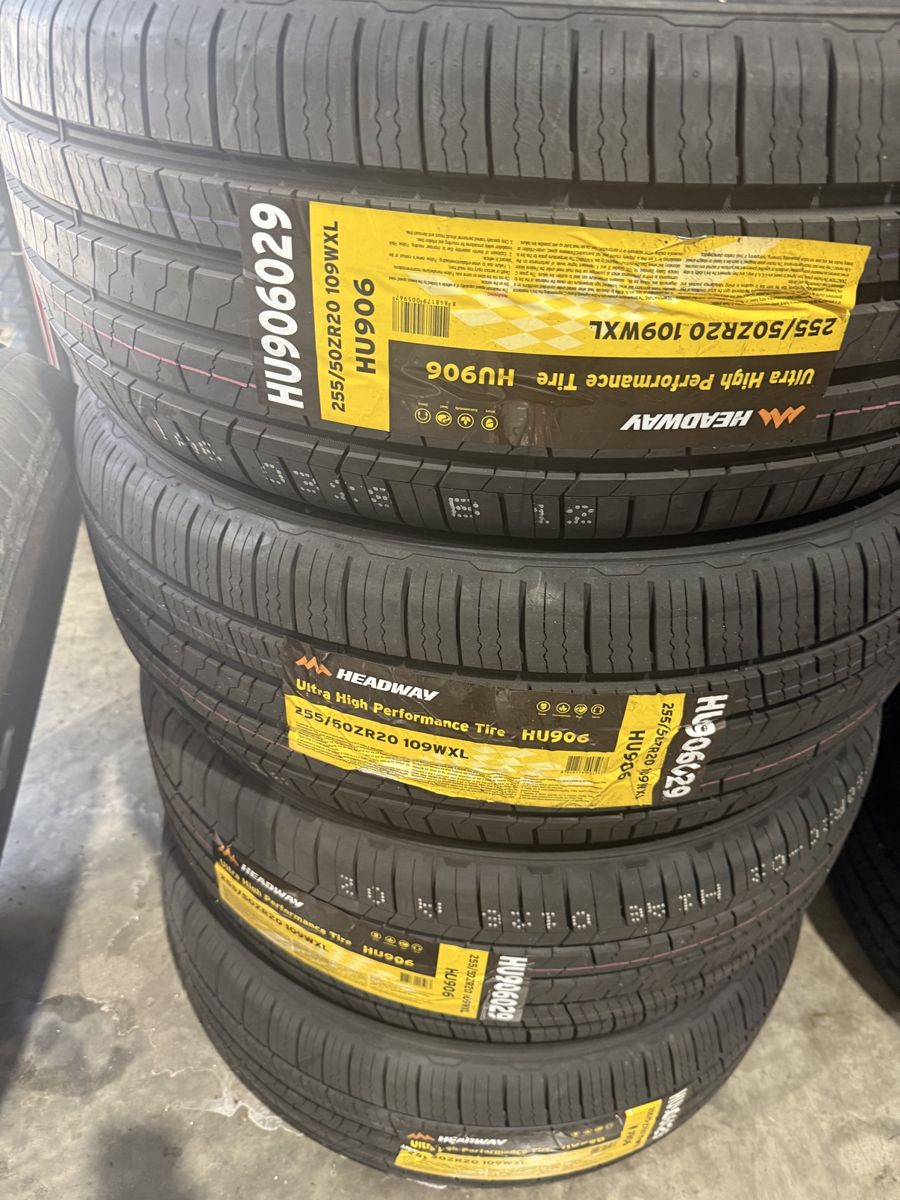
Winter traction in Kentucky is mostly about water, slush, and thin ice, not deep snow. Tread depth is what moves slush and water out from under the tire so the rubber can reach the pavement. A tire that is nearly worn out may still feel acceptable on dry roads and be genuinely poor in slush, where there is nothing left to channel the water away.
Pressure deserves a check at the same time. Pressure falls as the weather turns cold, and a tire that is low runs on its shoulders, grips worse, and wears faster. Setting all four tires to the pressure on the driver's door placard at the start of winter, and checking them monthly through the season, is simple prep that pays off. If the tire pressure light is behaving oddly — flashing at startup, or staying on after pressures are set — that points to the monitoring system itself, and it is worth having the sensors read. Our TPMS Service page covers what that involves.
Coolant protects in both directions
Coolant, also called antifreeze, is usually talked about as summer protection. In winter its other job matters: keeping the coolant in the engine from freezing and expanding, which can crack components that were never meant to hold ice. The mixture has to be right — too much water and freeze protection drops, too much concentrate and heat transfer suffers.
Condition matters alongside the mixture. Old coolant loses its corrosion protection, and a weak hose or tired cap may not hold through a hard freeze and thaw cycle. Checking coolant, hoses, and cap in the fall is a short job that prevents a long one.
Wipers, washers, and lights for early dark
By December, a Glasgow commute at either end of the workday can happen in the dark. Winter prep should include the things that let you see and be seen:
- Wiper blades — blades that chatter or streak in fall rain will smear road salt spray and slush in winter, which is worse. Rubber also hardens with age and cold.
- Washer fluid — a winter-rated fluid that resists freezing, and a full reservoir. Plain water or summer fluid can freeze in the lines and the tank.
- Every exterior light — headlights, including both high and low beams, brake lights, turn signals, and markers. One person walking around the vehicle while another works the controls finds a dead bulb in a minute.
- Headlight lenses — hazed, yellowed lenses cut the light that reaches the road. If the bulbs are good and the road still looks dim, the lenses are the usual suspect.
Do not forget the defrost
Clear windows are a safety system in winter. The front defroster uses the air conditioning system to dry the air it blows on the windshield, so an A/C system that is weak or inoperative often shows up first as a windshield that will not clear on a damp, cold morning. The rear defroster grid deserves a check too — a window that only clears in stripes has damaged grid lines. Testing both in the fall, when there is time to fix what is found, beats scraping the inside of a windshield in January.
Small things worth handling in the same visit
A winter check is also a good time to look at belts for cracking, confirm the heater puts out full heat, and make sure the spare, jack, and lug wrench are present and usable. A spare that is flat helps no one on a cold roadside. Together, these checks are the difference between a vehicle that handles a cold snap and one that turns it into a tow.
Southern KY Tire Pros can run through winter prep as part of a scheduled maintenance visit — battery, tires, coolant, lights, wipers, and defrost checked by our ASE-certified techs, with walk-ins welcome. We are a family-owned shop serving Glasgow since 2022, at 1004 Happy Valley Rd, Glasgow, KY 42141. Call (270) 861-2003 or text (270) 320-7359, Monday–Friday 8:00 AM–5:00 PM. You can read more on our Scheduled Maintenance page.