Towing puts a different kind of work on a truck than everyday driving around Glasgow. The load behind you adds weight on the rear tires, asks more of the brakes on every stop, and makes the engine and transmission work harder for longer stretches, especially on hills. Going through the truck side before towing season is how you find weak points while they are still small.
Tires rated for the load, and inflated for it
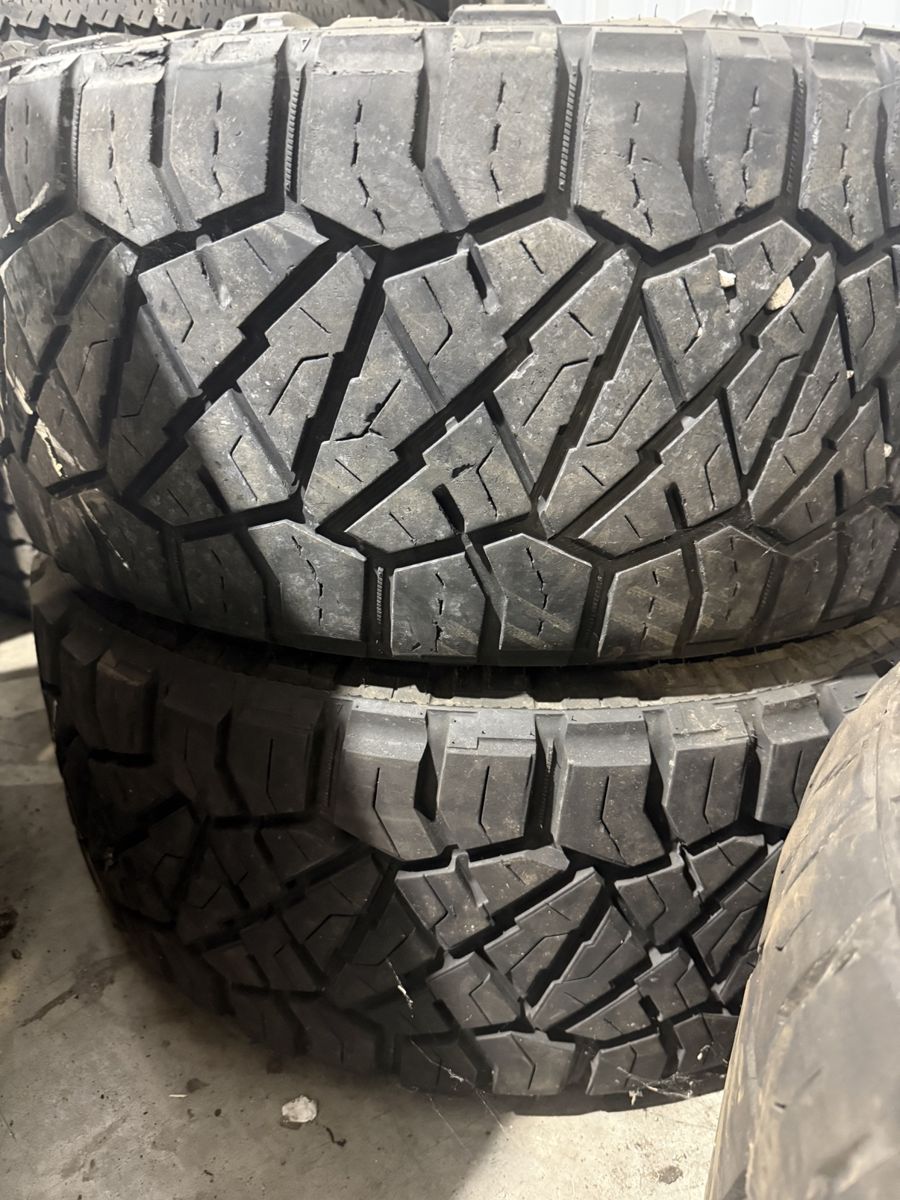
Start with the tires, because they carry everything. Check the load range and load rating on the sidewall and make sure the tires on the truck are rated for the weight you plan to carry and pull. A passenger-rated tire on a truck that tows regularly will wear faster, run hotter, and feel less stable under load than a tire built for that work. If you are not sure what your current tires are rated for, that is a conversation worth having before you buy the next set, not after a long trip on the wrong ones.
Pressure matters just as much as rating. Check all four tires cold and set them to the specification for your truck and your load, following the door placard and the vehicle manual as your guide. Underinflated rear tires are a common towing problem. They flex more, build heat, and make the back of the truck feel loose or swaying, and heat under load is hard on a tire. Overinflation has its own cost, shrinking the contact patch and wearing the center of the tread. Look at tread depth and wear pattern while you are there. Uneven wear, low tread, cracking, or a sidewall bulge should be dealt with before the truck tows, not discovered on the road.
Brakes that have to work harder, for longer
Every stop takes longer with a load behind you, and downhill stretches around Barren County and beyond ask the brakes to hold speed, not just make a single stop. That extra heat and work will find worn pads, thin rotors, or a soft pedal quickly. Squealing, grinding, vibration when braking, a pedal that travels farther than it used to, or the truck pulling to one side are all signs to have the brakes inspected before you tow.
Cooling: engine and transmission under load
Pulling a load makes the engine work harder at lower road speeds, which means more heat and less airflow help than steady highway cruising. The transmission works hard too, shifting and holding under load. Before towing season, check that coolant is at the right level and in good condition, hoses are sound, and there are no small leaks you have been meaning to look at. A cooling system that is marginal running empty can overheat pulling a grade on a warm Kentucky day.
Suspension, squat, and steering feel
Weight on the back of the truck compresses the rear suspension. Some squat is expected, but a truck that sits noticeably low in the rear, bounces more than it should, or feels light and vague in the steering is telling you something. Worn shocks, tired springs, or worn front-end parts show up more clearly under load because the load takes weight and stability away from the front end.
As a front-end specialist shop, we see this pattern often: a truck that drives acceptably empty wanders, pulls, or feels unsettled once it is towing. Worn tie rod ends, ball joints, and other steering and suspension parts are worth inspecting before the season starts. An alignment check also belongs on the list if the truck pulls or the tires are wearing unevenly, since towing will speed up that wear.
Fluids fresh before the season
- Engine oil. If an oil change is close to due, do it before a stretch of towing rather than after. Towing is hard use, and fresh oil is cheap protection.
- Transmission fluid. Check level and condition, and follow the service interval in your manual. Heat is the enemy here, and old fluid handles heat poorly.
- Coolant. Level, condition, and no leaks, as covered above.
- Brake fluid and power steering fluid. Low or neglected fluids point to leaks or wear that should be found in the shop, not on a hill.
- Rear differential. The axle does real work towing. If its service is overdue, towing season is a good reason to catch it up.
None of this needs to be done all at once every year, but it does need a deliberate pass before the truck starts pulling regularly. At Southern KY Tire Pros, we handle the truck side of towing prep — tires, brakes, cooling checks, and suspension and steering work — with ASE-certified techs, and walk-ins are welcome. If your truck is due for a look before you tow, bring it by Southern KY Tire Pros at 1004 Happy Valley Rd, Glasgow, KY 42141, call us at (270) 861-2003 or text (270) 320-7359, Monday–Friday 8 AM–5 PM. Details are on our Shop Tires page.