Changing wheel size changes more than the way a vehicle looks. The wheel and tire work as a package, and altering one side of that package changes steering feel, ride, clearance, and even what the speedometer reads. This article is about those effects — what actually changes when you go bigger or taller — so you can decide with clear expectations before anything is ordered.
Plus sizing: bigger wheel, shorter sidewall, same overall size
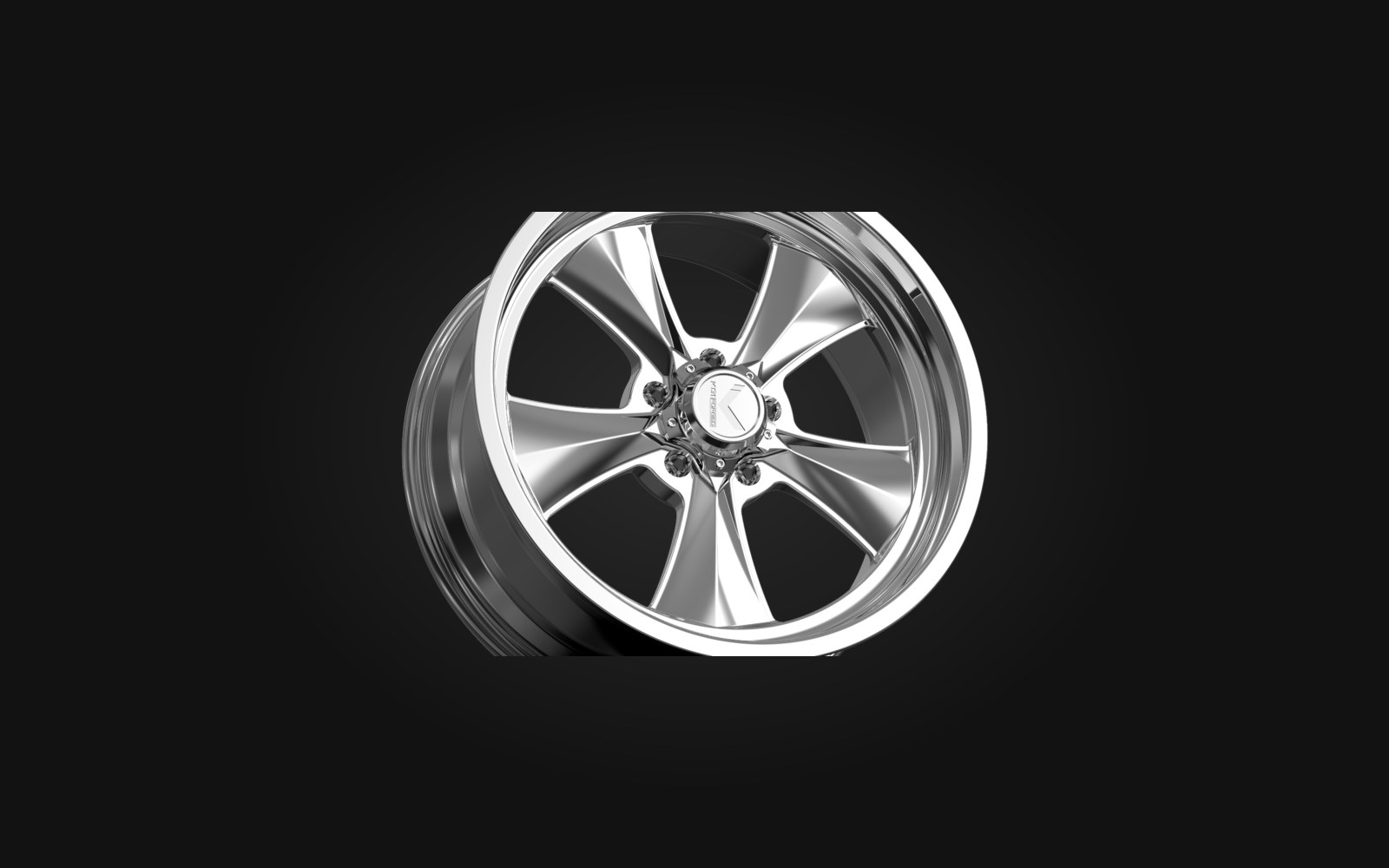
Plus sizing means fitting a larger-diameter wheel with a lower-profile tire, chosen so the overall diameter of the whole package stays close to the original. Go up one wheel size and down one profile step and the outside of the tire ends up in roughly the same place. The speedometer stays accurate, gearing is essentially unchanged, and the fender gap looks about the same — the wheel fills more of it and the tire sidewall fills less.
What changes is feel. A shorter sidewall flexes less, so steering response is typically quicker and the vehicle can feel more direct in turns, with less sidewall roll when changing lanes or cornering. For drivers who like a sharper feel, that is the main reason to plus size, along with the look and the wider choice of custom wheels.
The costs of a shorter sidewall
That same short sidewall is also the trade-off. There is less rubber and air between the wheel and the road, so ride gets firmer, especially over broken pavement, expansion joints, and potholes around town. Pothole vulnerability is the practical concern: a deep edge that a taller sidewall absorbs can pinch a low-profile tire and bend a wheel rim. Wider plus-size tires can also follow ruts in the road more and, depending on tread, can be more prone to hydroplaning in standing water if the tread cannot clear it.
Going the other way — a smaller wheel with a taller sidewall, where brakes and clearance allow it — reverses the trade. Ride typically gets softer, the tire offers the wheel more protection, and winter or gravel use can benefit from the taller, narrower footprint. Steering feel will be less sharp. Neither direction is better in the abstract. They suit different priorities.
Going taller overall is a different decision
Problems start when the overall diameter itself grows, which is common on trucks fitted with taller tires. That is not plus sizing, and it carries mechanical consequences worth listing plainly.
- Speedometer and odometer error. A taller tire covers more ground per rotation, so the vehicle travels faster and farther than the gauges show. As a rough rule, the error grows in proportion to the change in diameter.
- Gearing feel. Taller tires effectively raise the gearing. Acceleration can feel lazier, the transmission may hunt between gears more on hills, and towing feel changes with it.
- Clearance. The taller and wider package has to clear fenders, suspension, and steering at full turn and over bumps. Rubbing is not just a noise — it damages tires and bodywork.
- Alignment and handling. A taller setup, especially with a lift or leveling kit, changes suspension geometry. An alignment check is part of doing the job properly, not an extra.
Load capacity and TPMS do not take care of themselves
Any new package still has to carry the vehicle. Wheels have load ratings just as tires do, and a wheel chosen only for its looks may not be rated for a loaded truck. The tire's load index in the new size must also meet what the door placard calls for. This is easy to overlook when a lower-profile size in the same diameter carries less than the original.
The tire pressure monitoring system needs attention too. Sensors must be transferred or replaced and relearned to the vehicle, and recommended pressures can differ for a new size. A TPMS light after a wheel swap usually means a step was skipped, and it should be sorted at install rather than lived with.
How we handle it here
The shop fits custom wheels and mounts wheels up to 26 inches on our Hunter TC3500 tire changer, which is built to handle large and low-profile fitments while protecting the wheel finish. When a truck comes in with a lift, leveling, or lowering kit installed by the shop, the alignment is on us as part of that work, and we check alignment on taller setups so the new tires wear the way they should. As a front-end specialist shop, we would rather talk a customer out of a size that will rub, overload, or disappoint than sell it and meet them again over a problem.
Bring us the size you have and the look you want, and we will work through what it changes before you commit. Southern KY Tire Pros, 1004 Happy Valley Rd, Glasgow, KY 42141 — call (270) 861-2003 or text (270) 320-7359, Monday–Friday 8 AM–5 PM. Details are on our Wheels page.