
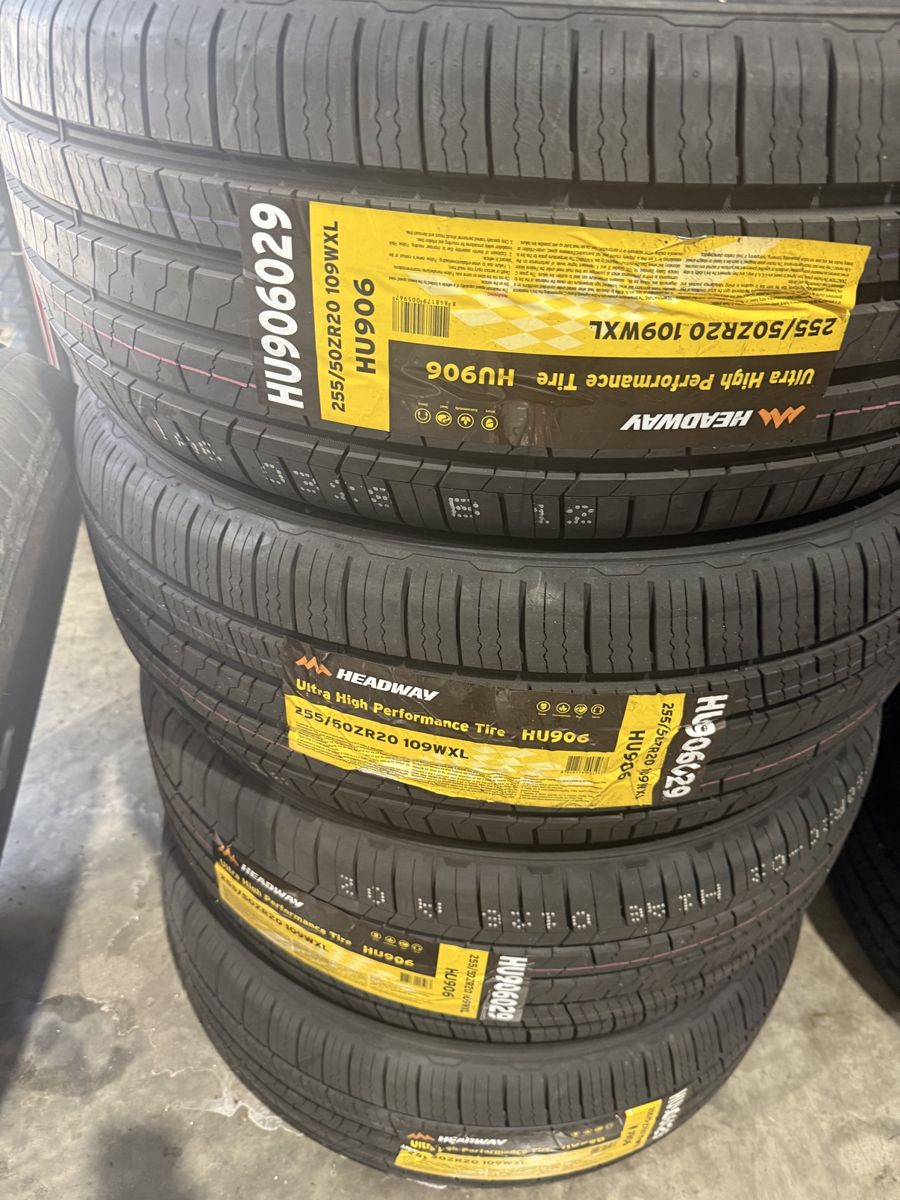
A used tire can be a sensible buy. A vehicle may need one matching tire after a flat, or a driver may need a serviceable set to get through a season without paying new-tire money. The catch is that a used tire carries a history you cannot see at a glance. Two tires that look alike on a rack can have very different amounts of safe life left in them. These are the checks that separate a good used tire from a problem someone else already took off their car.
Start with tread depth and even wear
Tread is what clears water and grips the road, so depth matters first. Look across the full width of the tire, not just the center. The wear bars molded into the grooves give a rough guide: when the tread is worn level with those bars, the tire is done.
How the tread wore is just as telling. Wear on one shoulder, cupping, or a sawtooth feel when you run a hand across the tread usually points to alignment or suspension problems on the vehicle the tire came off. That tire may still hold air, but uneven wear does not reverse, and a badly cupped tire can be noisy and vibrate on your vehicle too.
Check the age, not just the tread
Every tire carries a DOT code on the sidewall. The last four digits show the week and year it was made. A tire ending in 2219, for example, was built in the 22nd week of 2019. Age matters because rubber hardens and cracks over time, even on a tire that sat unused. As a rough rule, a tire well past six years old deserves extra caution, and an older tire with deep tread is not automatically a bargain.
Look hard at the sidewalls
The sidewall takes the flexing load of the tire, and sidewall damage is not repairable. Walk away from a tire with any of the following:
- Bulges or bubbles, which mean internal structure has separated
- Cuts, cracks, or chunks missing from the sidewall
- Fine surface cracking between tread blocks or along the sidewall, often called dry rot
- Exposed cord or fabric anywhere on the tire
- Heavy scuffing or a bent, cracked, or corroded bead area where the tire seals to the wheel
Dry rot is easy to miss in poor light. Flex the sidewall slightly and look in the lettering and near the rim line, where cracking tends to show first.
Ask about repairs and check for patches
A single proper repair in the tread area can be acceptable. Multiple repairs, a repair near the shoulder, or a plug sitting in the tread by itself are reasons to pass. If you can see the inside of the tire before it is mounted, look for a proper plug-patch seated flat against the liner, and for scoring or loose rubber inside that would suggest the tire was driven on while flat.
Match size, load rating, and the other tires
The size on the sidewall has to match what your vehicle calls for, which is listed on the driver door jamb sticker. The load index and speed rating should meet that specification as well. A tire that is the wrong size or underrated for the vehicle is not a deal at any price. Try to match brand, model, and tread depth to the tires already on the vehicle where you can, especially in pairs on the same axle. Big differences in diameter or grip from side to side can affect handling and, on some vehicles, driveline wear.
The mounting checks still apply
A used tire needs the same care as a new one once it is bought. It should be inspected again at mounting, mounted and balanced with the right equipment, aired to the vehicle specification, and checked for leaks. Southern KY Tire Pros mounts wheels up to 26 inches on a Hunter TC3500 tire changer and balances on a Hunter Road Force Elite, and those checks apply to used tires the same as new.
Our shop sells used tires, and stock changes constantly, with no guarantee on a given size being on hand. Text (270) 320-7359, or call (270) 861-2003, with your year, make, model, and tire size, and the shop will check what is available. Southern KY Tire Pros is at 1004 Happy Valley Rd, Glasgow, KY 42141, open Monday through Friday, 8:00 AM to 5:00 PM. Details are on our Used Tires page.